
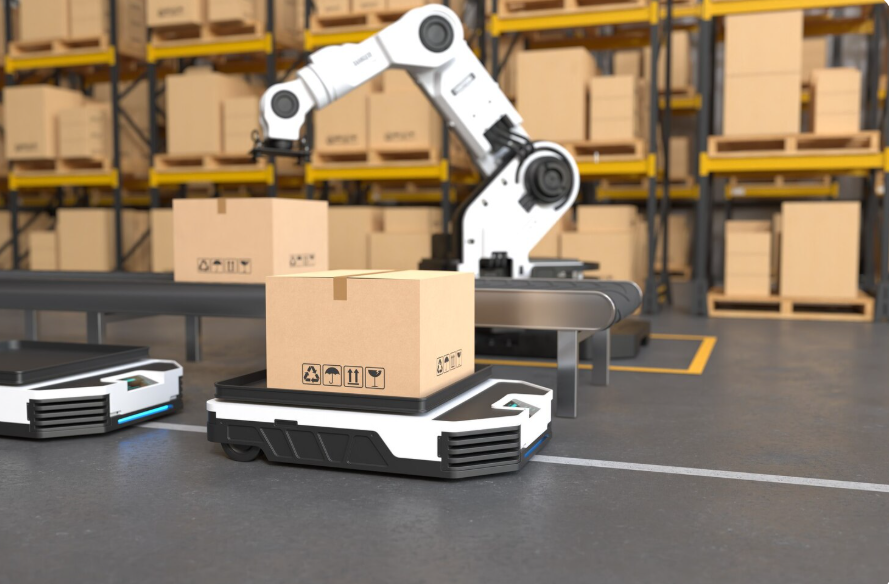
End-of-line (EOL) packaging is the term used to describe the packaging of
finished products as the final step in the manufacturing process. In e-commerce
operations, it involves all activities taking place after picking and packing of
products, such as carton erection and sealing, labeling, weighing, sorting,
palletization, and loading onto transport vehicles. The EOL packaging is an
important step because it is the last step in the processing of packages before
they leave the facility; hence, it is a point where a lot of packages can be
processed. Unlike other steps, it should move at the same speed as the total
output from other steps.
The Evolution of EOL Packaging Operations
End-of-line packaging is the last step of production before products are shipped
to their final destination and includes labeling, sorting, and wrapping. In the past,
this has typically been a manual process and, therefore, a bottleneck during
times of high demand. Today’s packaging lines contain sophisticated
technologies, such as programmable logic controllers, robotics, machine vision
systems, and IoT-enabled sensors, that can communicate with each other. The
growth of e-commerce globally has hastened the adoption of smart automation
systems for high-volume packaging.
The packaging for traditional retail doesn’t look the same as the packaging for
e-commerce fulfillment. And the increasingly complex nature of online retail
orders has only accelerated the need for machinery that can handle mixed
orders. Smart systems allow flexibility in how they’re operated while still
maintaining throughput in a variety of warehouse settings.
Robotics and Automated Systems Increasing Productivity
In today’s manufacturing, logistics, and e-commerce sectors, robotics and
automated systems represent valuable contributors to productivity and
operational success. Companies are increasingly challenged to produce and ship
products on an increasingly tight timeline with high levels of performance;automated technologies offer an excellent alternative to accelerating the flow of inventory through repetitive and unnecessary manual processes. Advanced robotic systems are now routinely deployed for various types of material handling operations, including packaging, palletizing, sorting, labeling, and moving materials, enabling organizations to enhance workflow efficiency while reducing the occurrence of operational delays. These systems have the ability to complete work cycles continuously, with very few interruptions, producing much higher levels of output and reducing the supply chain’s reliance upon manual labor.
As fulfillment demand continues to rise, businesses are increasingly adopting
e-commerce packaging automation to improve operational efficiency, reduce
labor bottlenecks, and scale packaging output more effectively.
The e-commerce fulfillment center is an industry that has significantly improved
end-of-line packaging processes through the integration of automated systems
into its daily operations.
In e-commerce, the end-of-line packaging becomes faster and more accurate
thanks to automated robotic systems. According to recent industry research,
warehouse packaging automation continues to gain momentum as many
fulfillment operations continue to rely on labor-intensive processes that are
unable to meet the increasing demands of today’s consumers.
Artificial Intelligence and Predictive Maintenance
Automation, particularly robotic automation, has introduced a new level of
intelligence to packaging operations. The packaging equipment is now able to
monitor and manage the packaging process in real time and make decisions
based on the data generated from the operation. The smart vision inspection
equipment can now detect any form of damaged packaging, labeling errors, or
sealing errors instantly to prevent any potential errors that could result in
customer dissatisfaction while shipping out the orders.
Another advantage of these packaging systems is the predictive maintenance
function. This function is possible by means of sensors that constantly monitor
parameters such as temperature, vibration, and performance of the packaging
machines. This allows the system to predict when a machine will fail, and thereby
prevent any downtime and subsequent losses. Smart packaging systems also increase the reliability of production.
Sustainability Gains with Right-Sized Packaging
Right-sized packaging technologies create customized boxes based on product
dimensions that might help sustainability initiatives through the involvement of
smart machinery. These systems minimize wasted void fill, reduce the usage of
corrugated material, and maximize transportation efficiency by reducing the
volume of shipments.
Moreover, smart equipment can handle reusable and compostable packaging
materials more systematically than traditional systems. Lightweight films and
paper-based materials designed to complement circular economy goals are now
being used in automated wrapping technologies. The forward regulatory
movement in Europe around reducing packaging waste has also upcycled the
bottom line to champion sustainable automation systems across fulfillment
networks.
Issues with Smart Packaging Equipment
Smart warehouses have really improved how packaging automation connects
with supply chain intelligence. Issues with Smart Packaging Equipment.
Although there are many benefits, there are also certain issues that are
associated with smart packaging equipment. Firstly, the high cost of purchase is
one of the major hurdles when considering the use of fully automated equipment.
Another problem could be related to the difficulty in integration due to existing
equipment. Additionally, it should be noted that smart equipment requires skilled
professionals who would be able to control the software system and maintain the
robot.
Future of Smart Machinery in End-of-Line E-commerce Packaging
In the future, end-of-line e-commerce packaging is bound to become more
advanced through the use of intelligent automation, adaptive robotics, and
data-driven processes. Such systems will become key competitive advantages
for companies with global distribution networks. Because of this reality, advanced
technology such as automated sealers, robotic palletizers, intelligent labeling
machines, and machine inspection units is a critical component of modern-day
fulfillment processes.Conclusion
In summary, intelligent machinery has transformed and enhanced the everyday
manufacturing processes of packaging products at the end of the line in today’s
worldwide digital marketplace by providing order production speed, accuracy of
operation, and efficiency of the supply chain. The world’s steadily expanding
online marketplace has placed continuous demands on manufacturers to
increase their overall volume of packaged orders manufactured with accurate
and high-quality standards. These types of machines not only reduce the amount
of human labour involved but also reduce the potential for errors, which may
create inconsistent packaging results, excessive use of packaging materials,
and/or packaging errors.
Lastly, companies that use better-quality, more advanced end-of-line packaging
increase customer satisfaction and positively impact the customer experience at
the end of the purchase process. The role that packaging plays in a company’s
brand image and developing brand loyalty has increased substantially in this
extremely competitive e-commerce environment; therefore, packaging is an
essential element for businesses.